The fragmentation of shopping platforms, from offline to online stores, has created a disconnected everyday shopping experience. As the digital landscape advances, the expectation for a convenient, consistent, and connected shopping experience has become the new baseline. According to the latest report by
Capgemini (2025), approximately 71% of shoppers expect Generative AI to play a key role in their purchasing journey, signaling a major shift in how FMCG brands must engage with their audience. They want to browse, compare, purchase, and reorder seamlessly across channels, yet they still often face gaps between their online and offline experiences. In the fast-paced FMCG industry, this lack of synchronicity not only disrupts the customer experience, but also reduces the brand’s opportunity to build long-term loyalty.
It’s time to implement AI-powered omnichannel in the FMCG industry, not just being present across multiple channels but ensuring each channel works as an integrated ecosystem. With this approach, consumers can navigate from apps, websites, social media, to brick-and-mortar stores without friction or repetition. All interactions feel unified and relevant at every step.
A New Necessity for Today’s FMCG Landscape
In the modern FMCG era, the meaning of omnichannel needs to be redefined. Previously, companies operated in multichannel model, with channels such as websites, apps, and physical stores functioning separately. What brands truly need now is an omnichannel experience, where all channels are integrated, synchronized, and powered by shared data. With omnichannel, consumers can check in-store inventory through an app, use the same loyalty points for both online and offline purchases, and receive personalized product recommendations wherever they interact. At its core, omnichannel is about delivering a truly seamless and consistent experience for consumers, regardless of the channel they use.
This transformation is crucial due to the unique characteristics of the FMCG industry. Products such as soap, shampoo, or snacks have a fast, frequent, and routine purchasing cycle, while consumer loyalty tends to be low and brand switching happens effortlessly. Consumers also have high expectations for convenience, speed, and stock availability, amidst intense price competition. In this landscape, implementing an omnichannel strategy is no longer just an option, but a necessity to retain customers and remain competitive.
Reinventing the FMCG Industry with Intelligent Omnichannel Experiences
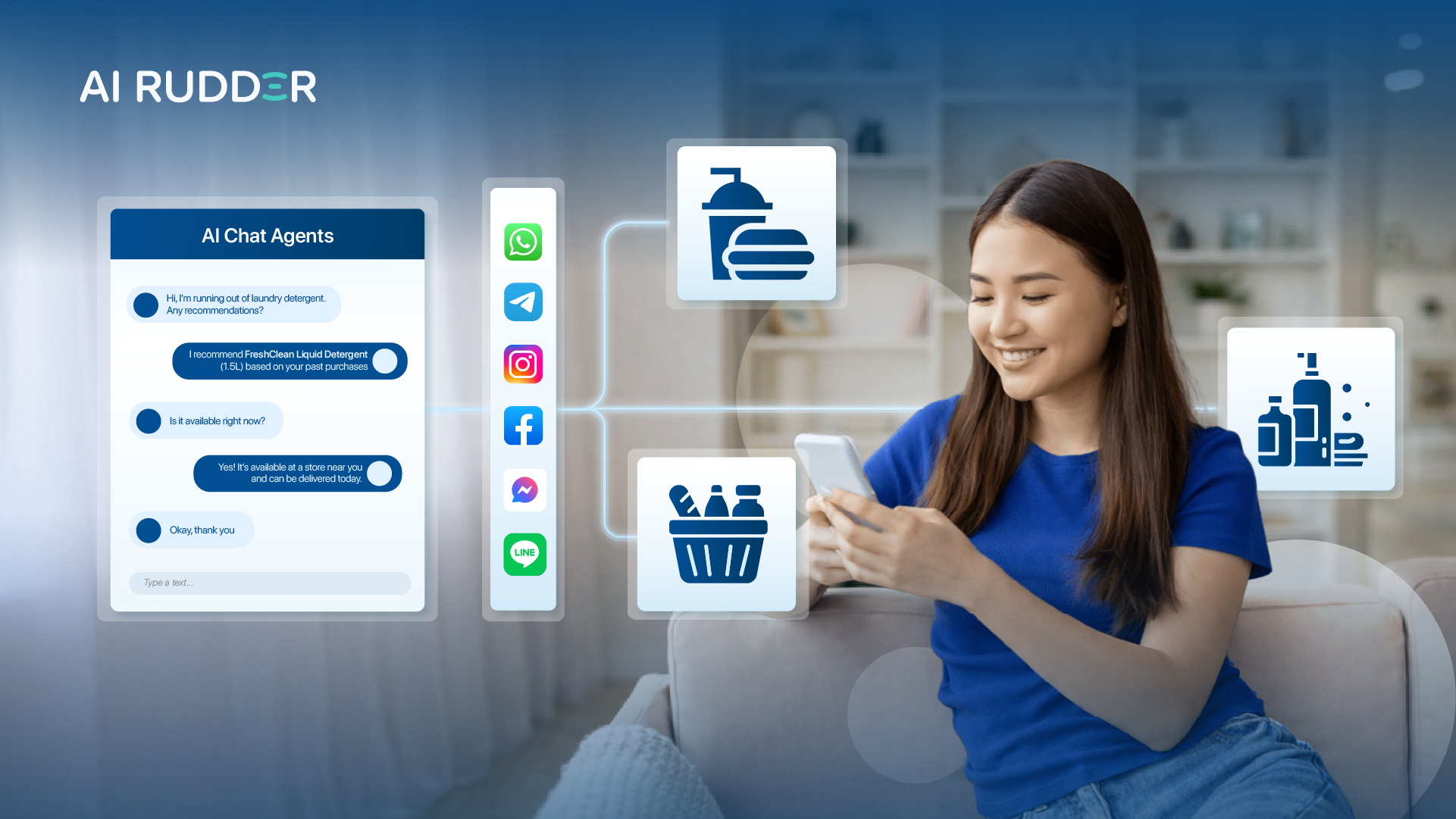
One example of AI-powered omnichannel in the FMCG industry is the use of virtual shopping assistants available 24/7. Chatbot services integrated into digital platforms enable consumers to engage in conversational interactions similar to communicating with a human. Consumers can ask questions, and the AI system will immediately respond with real-time information. The systems can handle a wide range of tasks, from answering FAQs and routine inquiries to checking product availability and efficiently processing orders.
More than just a tool, AI also plays a role in creating deeply personalized experiences. By analyzing conversations, purchase history, and consumption patterns, the system can provide relevant product recommendations. This capability is enhanced by contextual customer support, where AI can answer questions about product composition, usage instructions, and complaint handling with access to comprehensive customer data.
The most transformative aspect of AI-powered omnichannel is its ability to bridge the gap between online and offline shopping experiences. Consumers can take advantage of features like real-time stock checks, click-and-collect services, and personalized in-store navigation. This integration creates a truly seamless shopping experience across channels.
The Dual Impact of AI-Powered Omnichannel
AI-powered omnichannel offers significant benefits for both consumers and businesses. For consumers, it provides greater ease and convenience in their daily shopping experience. With an AI-powered omnichannel ecosystem, they can shop anytime, anywhere, and however they want, without barriers or limitations. They also enjoy a more personalized experience, feeling acknowledged and understood through tailored recommendations, promotions, and interactions. At the same time, AI helps them save time by providing instant information and enabling smooth and fast transactions across all channels.
For FMCG and retail brands, AI-powered omnichannel delivers significant business impact. This technology helps increase customer loyalty through consistent and satisfying experiences, making customers more likely to return. Relevant recommendations also drive increased conversions and increase average order value. Operationally, AI can automatically handle routine inquiries, reducing the burden on customer service teams and lowering operational costs. Furthermore, every interaction becomes a rich source of data and insights, providing a deeper understanding of consumer preferences and pain points for more strategic decision-making.
The Future of FMCG Begins with More Personal and Connected Interactions
It can be concluded that an omnichannel strategy powered by AI technology is no longer just a future trend, but has become a fundamental necessity in today’s FMCG industry. This digital transformation has successfully transformed transactional interactions into ongoing, personal relationships between brands and consumers.
Going forward, FMCG brands that want to remain competitive and relevant will need to view AI-powered conversations as a strategic distribution and engagement channel. The essence of everyday shopping no longer lies solely in the question of “where” consumers buy, but has shifted to “how” brands interact and build meaningful relationships with their consumers through every conversation.
Want to Elevate Your Brand with a Truly Intelligent and Seamless Omnichannel Experience?
Talk to our team today and unlock the full potential of intelligent, AI-driven
omnichannel